

4th Annual
a2 National Symposium
March 19–20, 2026
Johns Hopkins Bloomberg Center | Washington, D.C.
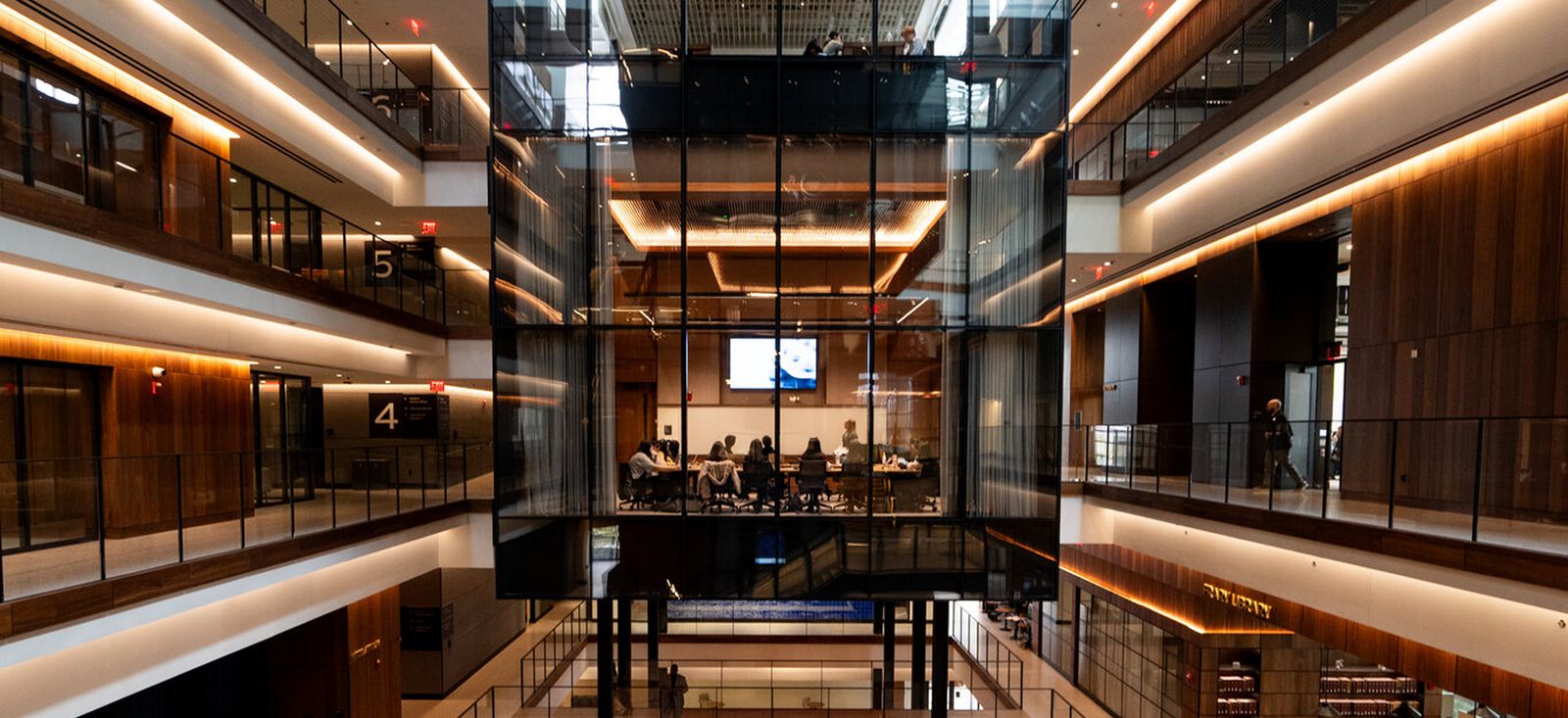

Why Attend
Discover
Breakthroughs in AI, aging, and dementia care that redefine what’s possible.
Connect
Researchers, innovators, and funders shaping the future of healthy longevity.
Experience
Washington, D.C., in full bloom—ideas and cherry blossoms alike.

Powering Innovation Through Partnership
The a2 National Symposium is made possible by visionary sponsors and collaborators driving progress in AI, aging, and healthcare innovation.
SPONSORS AND SUPPORTING PARTNERS FOR EDUCATION AND TRAINING






HOSTED BY:

CO-HOSTED BY:



The a2 National Symposium is primarily funded by the National Institute on Aging, part of the National Institutes of Health.
Contact
For general questions about the symposium please contact:
Amanda Curran
Email: amanda.curran@roseliassociates.com
Speakers
Meet the Voices Shaping the Future of AI + Aging
Funder/Dealmaker
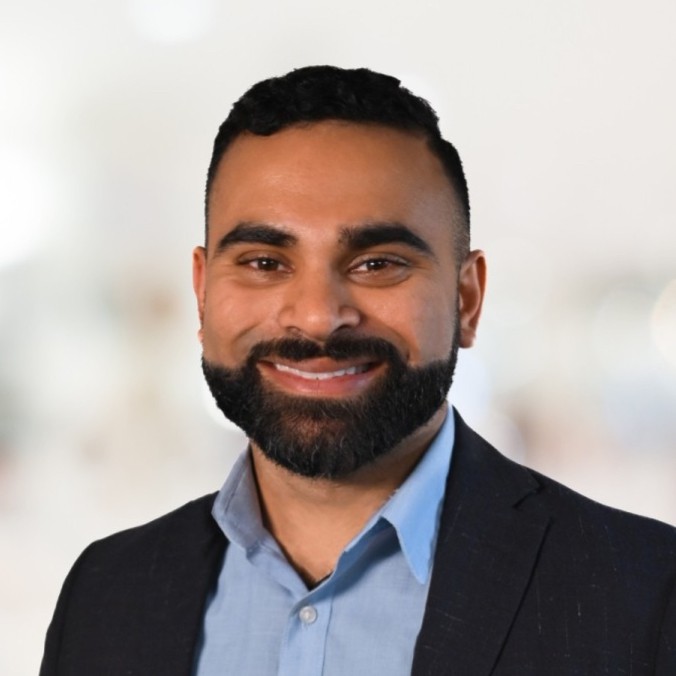
Mahesh
Narayanan
Managing Partner, Neuvation Ventures
Bio
Mahesh Narayanan, MS, is the managing partner of Neuvation Ventures, an impact investment fund responsible for identifying and investing in early-stage companies, research, and ideas in the brain health sector. He is also the co-founder of MatchPlay, a venture capital firm that brings together strategic advisory, investment, and operational expertise to help organizations accelerate growth. With deep experience in entrepreneurship, venture building, and leadership, he works closely with founders and teams to translate ideas into sustainable, high-impact ventures.
Narayanan is an experienced investor and accelerator director with over 15 years in biotechnology and a founder of multiple companies in life sciences and technology with two successful exits. He has mentored 100+ startup companies, with focus in brain health and other deep tech innovations.
Panelist
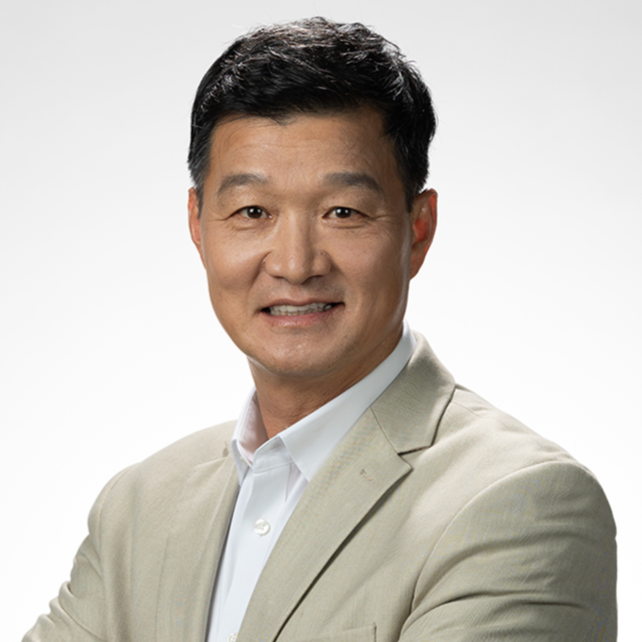
Hon
Pak
Senior Vice President and Head of Digital Health Team, Samsung Electronics
Bio
Hon Pak, MD, MBA, is a seasoned corporate physician executive with more than 25 years of healthcare strategic leadership in health information technology across both the public and private sectors. Dr. Pak is a change agent and has a proven track record in steering sustainable, profitable rapid growth and value creation in small and large organizations through his vision and team-based leadership. He is a problem solver and has also led several innovative healthcare companies/organizations through many operational and strategic transformations. He has also served as president and on the board of directors for several public and private organizations and is internationally recognized for his expertise in telemedicine, healthcare, and healthcare IT. Over the last 12 years, Dr. Pak has performed in numerous senior leadership roles providing strategic business development and capture support in both the commercial and federal healthcare sectors.
Panelist
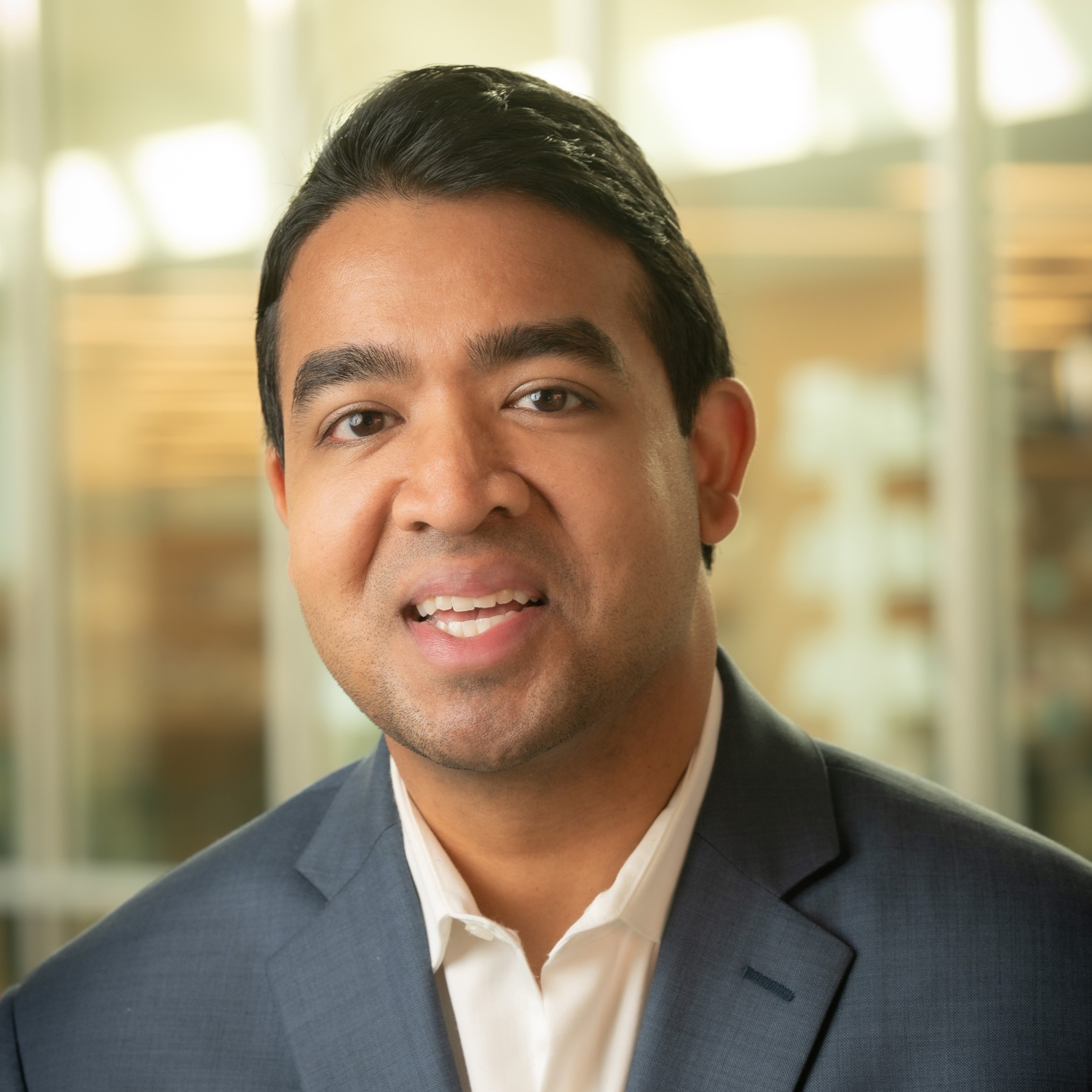
Kunal
Parikh
Assistant Professor of Medicine and Biomedical Engineering, Johns Hopkins University
Bio
Kunal Parikh, PhD, is an assistant professor at the Johns Hopkins University (JHU) School of Medicine in the divisions of glaucoma and nanomedicine at the Wilmer Eye Institute and at the Center for Bioengineering Innovation and Design within the JHU Department of Biomedical Engineering. Dr. Parikh leads a translational, R01-funded, interdisciplinary lab of engineers, scientists, and clinicians working together to create and translate novel biomedical solutions to alleviate human suffering at scale. His research program utilizes biodesign and insight-informed innovation methodologies to develop digital health technologies, surgical instruments, medical devices, multi-functional biomaterials, and therapeutics that can be readily scaled and adopted into clinical practice to enable access to care, improve treatment outcomes, and prevent post-operative complications. Several of his laboratory’s inventions have been licensed to industry or formed the basis for startup companies (Eyedea Medical, Cove Therapeutics, Samata Therapeutics, Visilant), including multiple commercial products.
Previously, Dr. Parikh built and served as the executive director of the Social Innovation Lab at JHU, where he advised and funded mission-driven entrepreneurs. Prior to arriving in Baltimore, he was the founding CEO of Core Quantum Technologies, a venture-backed biotechnology company developing superior imaging and detection reagents. Dr. Parikh earned his PhD in biomedical engineering at JHU where he was a Roche/ARCS Scholar and National Science Foundation Graduate Research Fellow.
Moderator
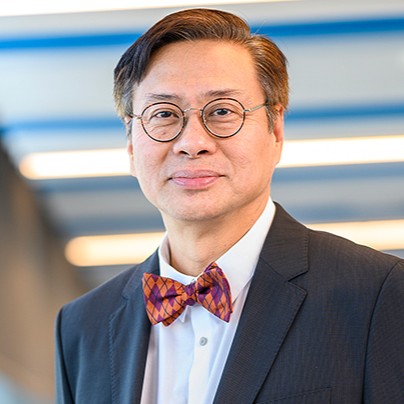
Phillip
Phan
Professor of Strategy and Entrepreneurship, Johns Hopkins University
Bio
Phillip Phan, PhD, is the Alonzo and Virginia Decker Professor of Strategy and Entrepreneurship at Johns Hopkins Carey Business School, a professor in the Division of Geriatric Medicine and Gerontology at Johns Hopkins Medicine, and a core faculty member at the Armstrong Institute for Patient Safety and Quality. At JH AITC, Dr. Phan serves as co-principal investigator and Networking and Mentoring Core director. An author of more than 300 peer-reviewed research articles and author/editor of 13 scholarly books, Dr. Phan’s academic and professional work focuses on the commercialization of biomedical technology and health services research, technological innovations that emphasize patient safety, quality, and biomedicine, as well as AI applications for patient care. Additionally, he is the co-founder of P4Microbiome Inc., an antimicrobial peptide-based biotech startup; Pistevo LLC, a developer of AI solutions to improve medical billing accuracy; and FKP Consulting LLC, a consultancy devoted to vascular and interventional radiology.
Speaker
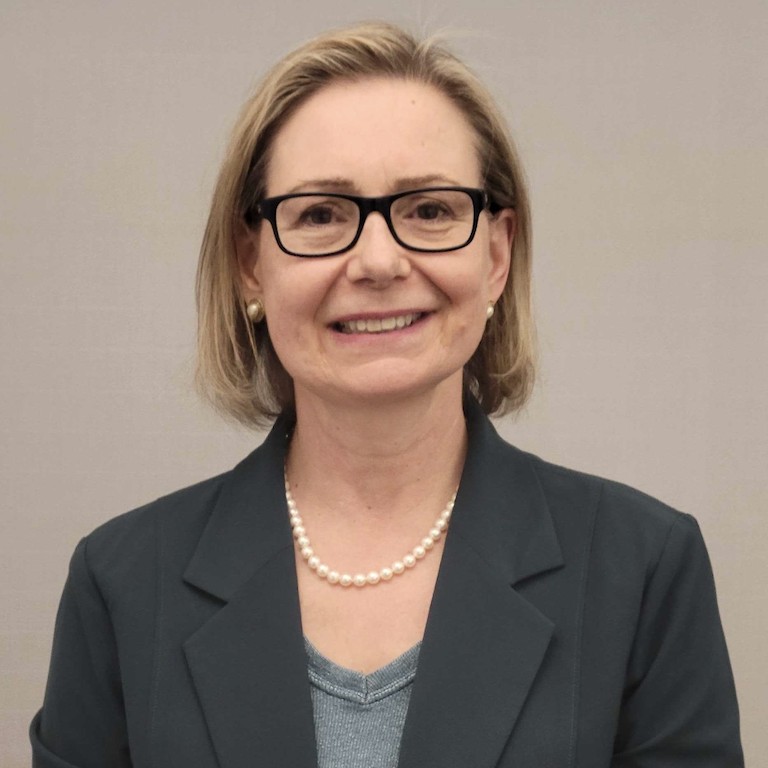
Rosalind
Picard
Professor of Health Sciences and Technology, MIT Media Lab
Bio
Rosalind Picard, ScD, is Grover M. Hermann Professor in Health Sciences and Technology at the MIT Media Lab, where she is founder and director of the Affective Computing Research Group, associate academic head, and associated with the MIT Center for Neurobiological Engineering. She is author of the book Affective Computing and co-author of hundreds of peer-reviewed scientific and engineering articles in AI, wearable digital health technologies, affective computing, and human–computer interaction (h-index > 120). She is co-founder and chief scientist of Empatica, providing FDA-cleared digital biomarkers and medical quality data for clinical trials and research studies, and providing medical smartwatches that monitor for tremors and gait changes in Parkinson’s disease and for seizures in epilepsy. Dr. Picard is also co-founder of Affectiva, providing emotion AI technology, now a part of Smart Eye AB. An inventor on over 100 worldwide and U.S. patents, she is a popular speaker with a TED Talk of over 2 million views.
Dr. Picard is a member of the National Academy of Engineering and the National Academy of Inventors, and a fellow of the Institute of Electrical and Electronics Engineers (IEEE), Association for Computing Machinery (ACM), and Association for the Advancement of Affective Computing (AAAC). She has been honored with the 2022 International Lombardy Prize for Computer Science Research, described as the “Nobel” in Italy, the 2025 Trotter Prize in Information, Complexity and Inference, and the 2026 IEEE Medal for Innovations in Healthcare Technology.
Panelist
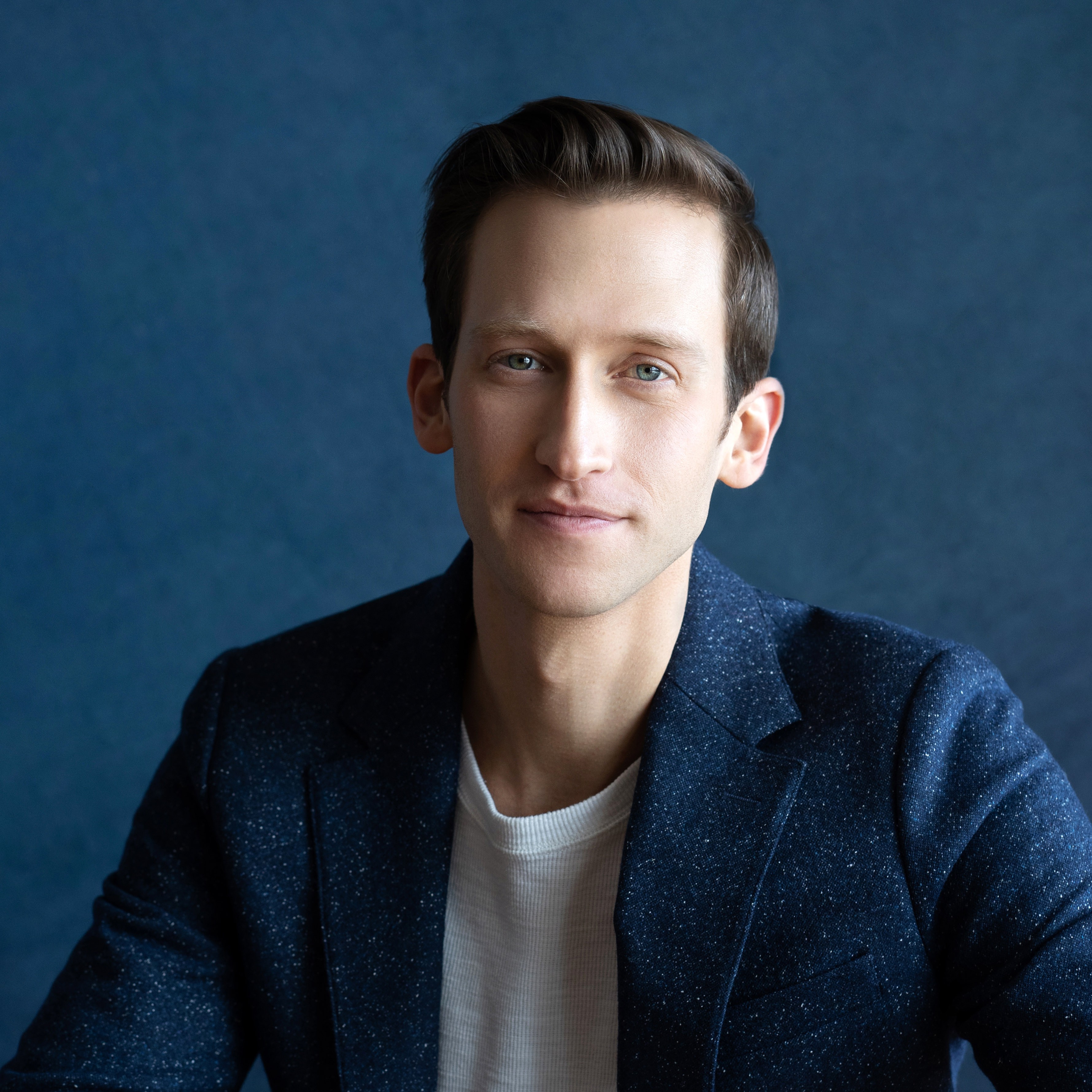
Kyle
Rand
Co-Founder and CEO, Rendever
Bio
Kyle Rand is the co-founder and CEO of Rendever, an AgeTech company leveraging immersive technology to improve the lives of older adults. Under his leadership, Rendever has pioneered the use of virtual reality to reduce social isolation and support cognitive and emotional well-being across senior living communities and healthcare settings. As a pilot awardee with the MassAITC program, his research explores the ability to use RendeverFit®, a virtual reality fitness platform, to create a digital biomarker to remotely assess changes in physical and cognitive functions in order adults receiving physical therapy while aging in place. He is also PI on an STTR grant, in collaboration with RAND, that brings home health dementia caregivers into the design process of a virtual reality platform seeking to mitigate their work-related burden and social isolation by cultivating a virtual community of support.
Rand graduated with dual degrees in biomedical engineering and neuroscience from Duke University, and was a Pratt Research Fellow at the world-renowned Nicolelis Lab. Since joining the tech world, he has led the development of a niche research-based social network, created a crowdfunding platform for ecological conservation, and architected a grassroots initiative focused on increasing healthcare access in populations-in-need. He was named to Forbes 30 Under 30 in 2019 and Rendever was honored on the 2022 TIME list of 100 Most Influential Companies.
Pitch Competition Judge
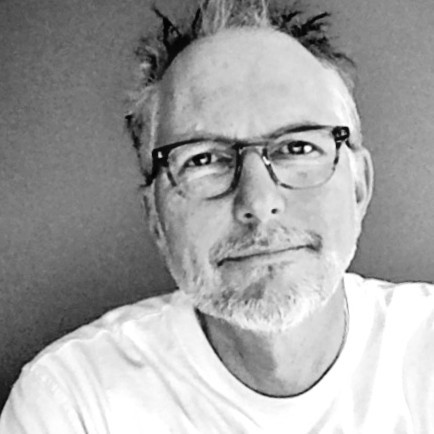
Rick
Robinson
VP and GM
Bio
Rick Robinson has led teams building products and boosting startups at AARP’s Innovation Labs and the AgeTech Collaborative for 6 years. Prior to that he cofounded venture-backed and public companies, with two exits, and led product and content functions at AOL, Sprint, Politico, and National Geographic.
Panelist

Anindita (Annie)
Saha
Associate Director for Strategic Initiatives, Digital Health Center of Excellence
Bio
Anindita (Annie) Saha is associate director for strategic initiatives for the Digital Health Center of Excellence (DHCoE) in the Center for Devices and Radiological Health (CDRH) at the U.S. Food and Drug Administration (FDA) where she supports promoting innovation of digital health technologies, including those enabled by AI. She is also serving as the acting associate director for data science and AI policy at the FDA Center for Drug Evaluation and Research (CDER) to support the use of AI across the drug development lifecycle. Additionally, Saha helped incubate and continues to support to advance the science and adoption of patient input as evidence, including patient preference information (PPI) and clinical outcome assessments (COAs).
Previously, Saha was the director of the Partnerships team in CDRH where she oversaw a broad program portfolio, supporting several strategic partnership and regulatory science programs. Saha started at FDA as a researcher in the Office of Science and Engineering Laboratories in imaging display technologies. She has a BS in bioengineering and minor in history from the University of Pittsburgh.
Moderator
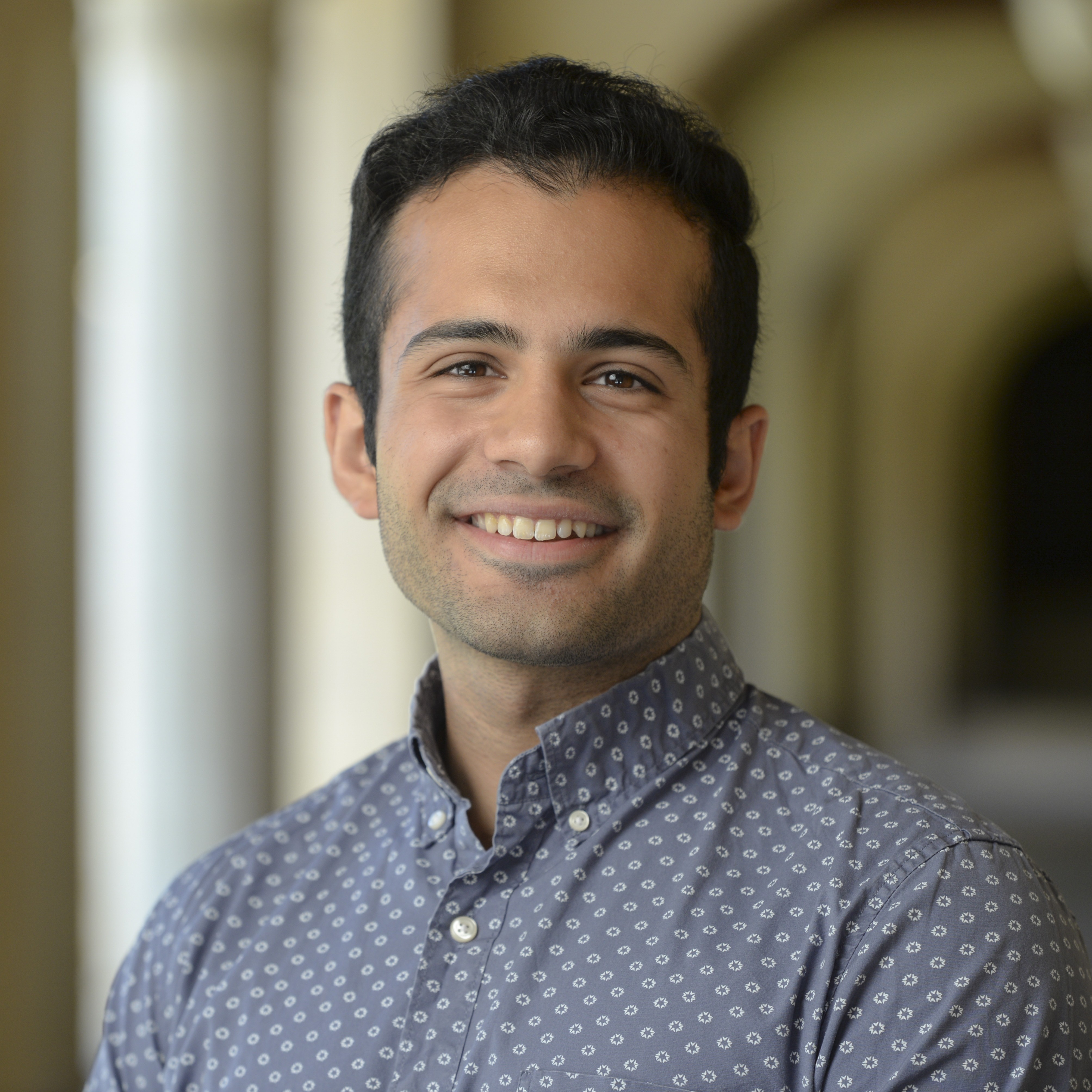
Arman
Sharma
Deputy Chief AI Officer
Bio
Arman Sharma serves as Deputy Chief AI Officer for the U.S. Department of Health and Human Services, where he leads implementation of the HHS AI Strategy. He has a background in genomics, health system technology implementation, process and quality improvement, and health economics.
Speaker
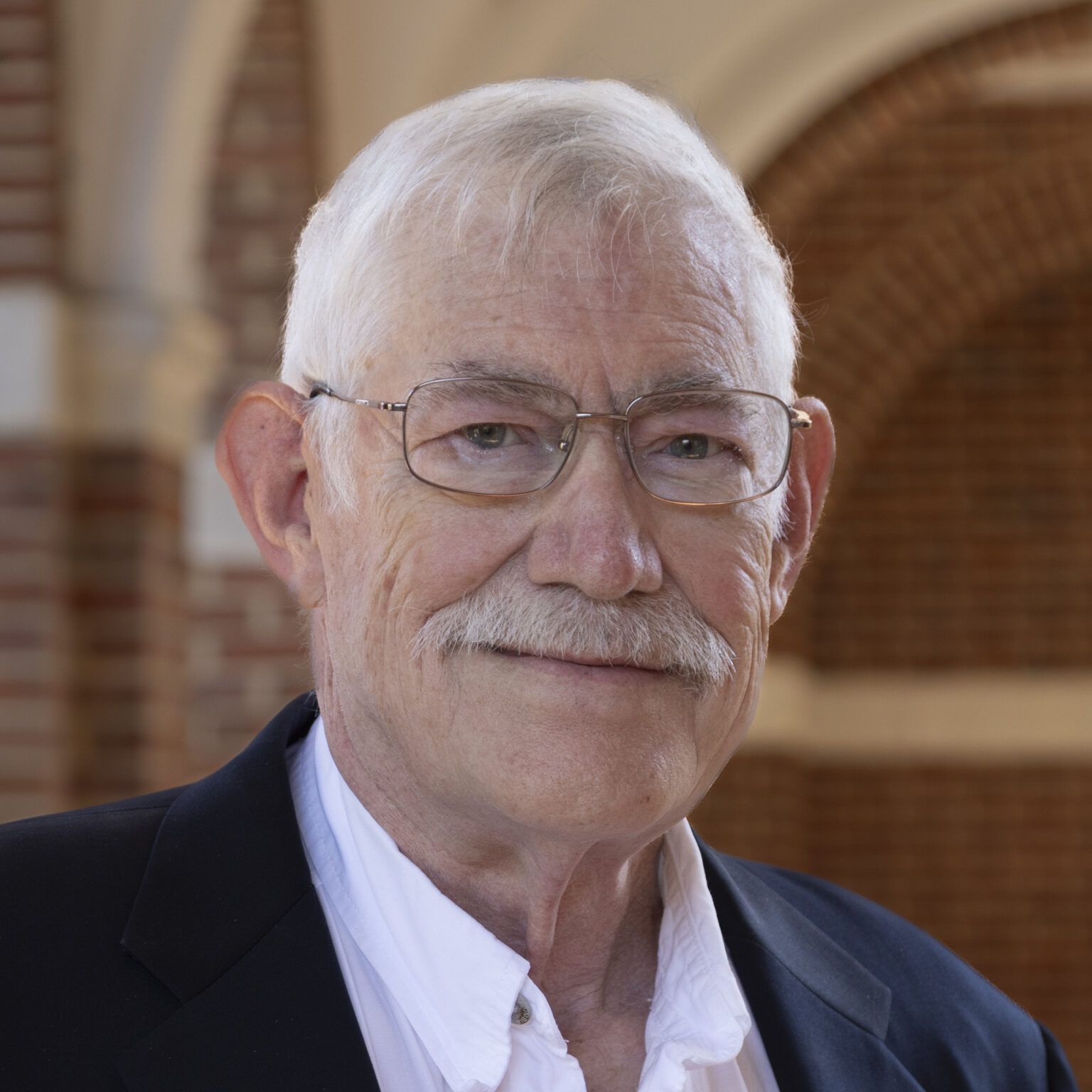
Russell H.
Taylor
Professor of Computer Science
Bio
Russell H. Taylor, PhD, is a John C. Malone Professor in the Department of Computer Science at Johns Hopkins University (JHU) with secondary appointments in the Department of Mechanical Engineering and the School of Medicine’s Departments of Otolaryngology–Head and Neck Surgery, Radiology and Radiological Science, and Surgery. He has more than 50 years of professional experience in the fields of computer science, robotics, and computer-integrated interventional medicine. For more than a decade, he served as the director for JHU’s Laboratory for Computational Sensing and Robotics, one of the most technologically advanced robotics research centers worldwide and an international leader in the areas of medical robotics, autonomous systems, and bio-inspiration.
Dr. Taylor is also a member of JHU’s Malone Center for Engineering in Healthcare, Institute for Assured Autonomy, and Data Science and AI Institute. He is a member of the National Academy of Engineering and a fellow of the Institute of Electrical and Electronics Engineers (IEEE), the National Academy of Inventors, the American Institute for Medical and Biological Engineering (AIMBE), the Medical Image Computing and Computer Assisted Intervention (MICCAI) Society, and the Engineering School at the University of Tokyo. Prior to his appointment at JHU, he completed his PhD in computer science at Stanford University and subsequently served at IBM Research for nearly two decades, where he developed the AML robot programming language and held management roles in robot systems and technology, automation technology, and computer-assisted surgery.
Funder/Dealmaker
Terik
Tidwell
Head of Platform & Ecosystem, AHA Ventures
Bio
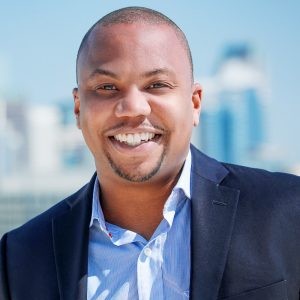
Terik Tidwell is a technologist and cross-sector strategist in early-stage venture and ecosystem development. He currently serves as the head of platform and ecosystem at AHA Ventures leading value-creation and ecosystem engagement strategies with portfolio companies and across investment teams.
Previously, he was the director of innovation ecosystems at VentureWell—with notable engagements including the Advanced Research Projects Agency for Health (ARPA-H) Investor Catalyst Hub, the U.S. National Science Foundation (NSF) National Innovation Network, and the Walton Family Foundation's tech translation initiative—and the founding executive director of the Smith Tech-Innovation Center. Tidwell is a Fulbright Scholar for Tech-Innovation, serves as an advisor to the NC IDEA Foundation, and has served as an expert in the NSF Directorate for Technology, Innovation and Partnerships.
Speaker
Alexander
Triantis
Dean, Carey Business School
Bio
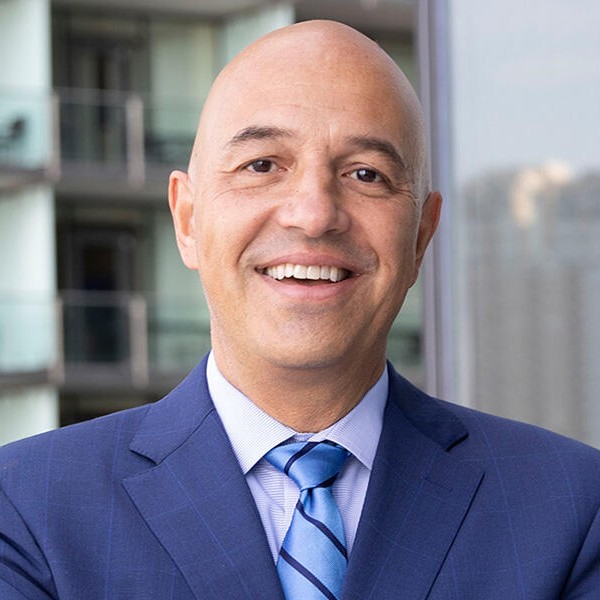
Alex Triantis, PhD, joined the Johns Hopkins Carey Business School in 2019. During his tenure, Dr. Triantis has led the revision or launch of a large suite of graduate degree programs, and Carey’s reputation for innovative interdisciplinary research and impactful outreach has been further enhanced through its unique positioning in the business of health and in AI, its eight new centers of excellence, and its high-profile events featuring corporate and government leaders in Baltimore and at the Johns Hopkins University Bloomberg Center in Washington, D.C.
Before joining Carey Business School, Dr. Triantis served as dean of the Robert H. Smith School of Business at the University of Maryland from 2013 to 2019, and chair of the finance department from 2006 to 2011. He previously served on the faculty at the University of Wisconsin and was a visiting scholar at MIT’s Sloan School of Management. An expert in the areas of corporate financial strategy and valuation, Triantis has published articles in numerous prestigious academic journals, served on several journal editorial boards, and has consulted and led training for many multinational corporations. Triantis received his PhD from Stanford University and his BASc and MEng degrees from the University of Toronto.
Agenda
a2 NATIONAL SYMPOSIUM | Empowering Innovation in AI/Tech + Aging
March 19–20, 2026
Hopkins Bloomberg Center
Washington, D.C.
March 18 Pre-Symposium Workshops: In addition to the March 19–20 symposium, for which registration is open to the public, the a2 Collective Coordinating Center is hosting pre-symposium training workshops on March 18 for principal investigators from the a2 Pilot Awards cohorts funded in 2025. March 18 workshops are by invitation only and participation is subject to space limitations. More details on workshop content are available here.
The a2 National Symposium will include keynote talks, panels, poster presentations/demos, networking opportunities, a speed mentoring session, and a pitch challenge. A preliminary agenda is available below, with additional speakers and details to be announced in the coming weeks. The agenda was last updated on March 24, 2026, to reflect final event details..
Poster Presentations
Sponsors
Partner with the a2 Collective
Join a national $65M initiative advancing innovation in aging and AI.
Reach
Brand Visibility
Engage
Connect Networks
Support
Fuel Innovation Impact
Sponsorship
For more information regarding sponsorship opportunities please contact Rose Li at rose.li@roseliassociates.com and/or Stephen Liu at s@a2collective.ai.
We would like to thank the sponsors and supporting partners listed below. Please visit their websites to learn more about their initiatives.
Platinum Sponsors
Gold Sponsors
Sponsors and Supporting Partners FOR EDUCATION AND TRAINING
Travel Award Sponsors
Location
Venue Details
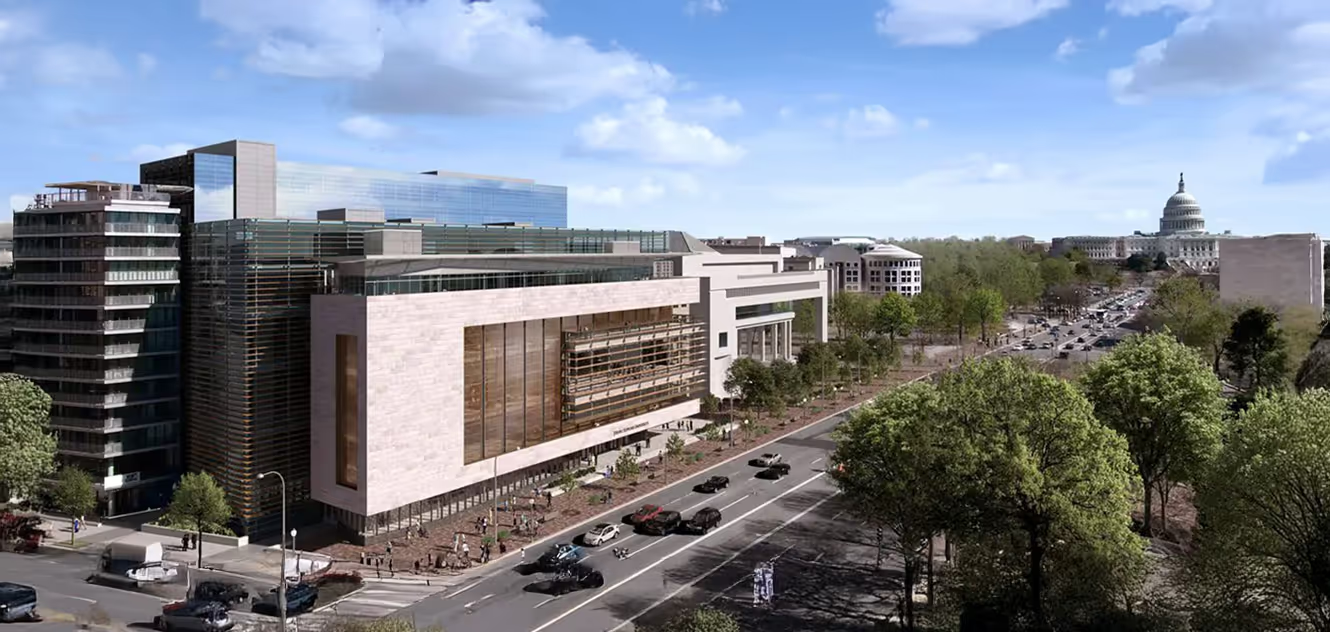
The a2 National Symposium will be held on March 19–20 at the Johns Hopkins Bloomberg Center in Washington, D.C. Included below are some helpful details about the venue including information regarding parking and public transportation.
Hopkins Bloomberg Center
Address:
555 Pennsylvania Ave, NW Washington, DC 20001
Website:
https://washingtondc.jhu.eduTelephone:
(202) 588-0597
Parking:
- Garage Entrance: C Street NW (use “507 C Street NW” in GPS for accuracy)
- Bloomberg Center Garage: Evening & weekend parking available; advance reservation recommended
- Other Nearby Garages:
- Colonial Parking Garage – 625 Indiana Ave NW (5-minute walk)
- Atlantic Parking – 601 Pennsylvania Ave NW (3-minute walk)
- District Center Garage – 555 12th Street NW (8-minute walk)
- Note: Street parking is limited—please allow extra time for arrival.
Public Transporation:
- Closest Metro Station: Archives–Navy Memorial–Penn Quarter Station (Green & Yellow Lines) – 4 min walk
- Other Nearby Stations:
- Judiciary Square Station (Red Line) – 7-minute walk
- Federal Triangle Station (Blue, Orange & Silver Lines) – 10-minute walk
- Gallery Place–Chinatown Station (Red, Green & Yellow Lines) – 10-minute walk
- Bus Options: Multiple Metrobus routes serve Pennsylvania Ave NW—check WMATA app for real-time updates
- Tip: SmarTrip cards or contactless payment accepted on Metro and bus

Location:
Click here to access- Johns Hopkins University Bloomberg Center 555 Pennsylvania Ave, NW Washington, DC 20001
- Centrally located near the National Mall and major landmarks—easily accessible by Metro, bus, or rideshare.
Know before you visit
Experience Washington, D.C., in full bloom! March marks the city's stunning cherry blossom season, and it's a perfect backdrop as we gather to unlock the future of AI and AgeTech.

Places to visit
National Cherry Blossom Festival
Dates: March 20–April 12, 2026
Details: Celebrate spring in DC with parades, cultural performances, and the city’s iconic cherry blossoms. Perfect for attendees extending their stay.
Distance: ~2 miles (10 minutes by car or 25 minutes on foot)
Easiest Way to Get There: Walk or take Metro from Judiciary Square (Red Line) to Smithsonian Station
Georgetown Waterfront & The Wharf
Details: Enjoy an evening stroll or riverside dining after the symposium.
Distance: 2.5 miles (10–15 minutes by car)
Easiest Way to Get There: Take a rideshare or Metrobus (Route 38B) from 7th & Pennsylvania Ave NW to M St & Wisconsin Ave NW
Dining Ideas: Fiola Mare • Sequoia • La Vie
Smithsonian Museums & National Mall
Details: Explore DC’s most iconic attractions—all free to enter and open daily.
Distance: 0.7 miles (5–10 minutes by car or 15 minutes on foot)
Easiest Way to Get There: Walk straight down 7th Street NW or take Metro (Red Line) from Judiciary Square to Smithsonian Station
Must-See Highlights: National Museum of African American History and Culture • National Gallery of Art • National Air and Space Museum • U.S. Capitol and Library of Congress
Evening & Weekend Suggestions
• Friday Evening: Dinner in Penn Quarter or Chinatown (0.5 miles, 10-minute walk)
• Saturday, March 21: Cherry Blossom Festival or museum day
• Sunday, March 22: Brunch at Founding Farmers (1.2 miles, 7 minutes by car) or a relaxing stroll along the National Mall
Useful Links
Registration
The 2026 a2 National Symposium has now concluded. A full recap of the symposium, as well as video recordings of plenary sessions, are now available.